Silent Lines, Real Risks: Preparing UK Sites for PSTN Retirement

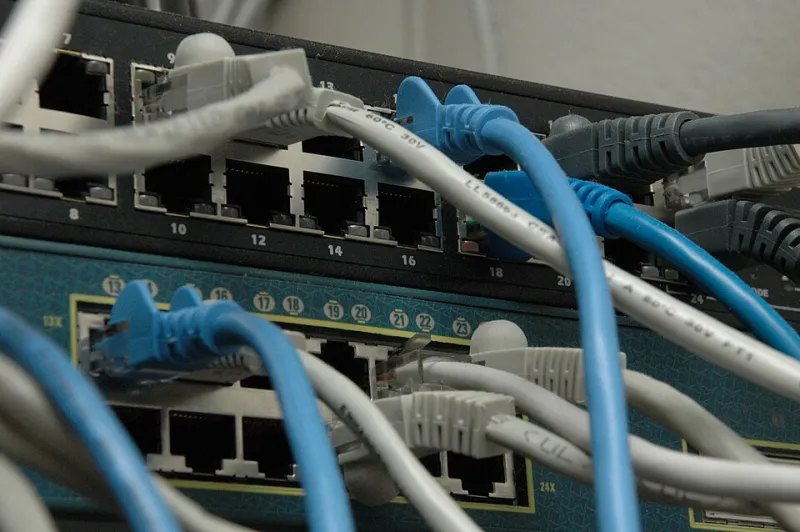
Photo: Paul Shreeve , CC BY-SA 2.0, via Wikimedia Commons
The UK's public switched telephone network is entering its final phase. The current industry timetable points to withdrawal by the end of January 2027, and stop-sell arrangements have already changed how new analogue lines can be ordered. For many organisations, the practical question is not whether to migrate but what is still relying on a dial tone.
At Synetrix, the pattern is consistent: the main phone system is usually known, while the alarm line, lift autodialler or card terminal is discovered late. Those small lines are often the ones with the longest lead times and the least obvious replacement path.
Why analogue lines hide in plain sight
Analogue lines were often installed by a facilities or security supplier, not by the IT team. They may sit on a separate invoice, carry an old site name and terminate in a riser that nobody has opened for years. Common examples include intruder alarms, fire alarm signalling, lift emergency phones, door entry systems, payment terminals, fax machines, legacy PBX trunks, out-of-hours monitoring and building management systems.
Start with the bill, then walk the site
Ask finance for the last twelve months of telecoms invoices, including any lines billed by a security or facilities provider. Match every number to a location and a device. Then walk the estate: comms room, risers, reception, plant room, lift motor room, tills and any room with a fax or modem. Photograph labels and record what is plugged into each socket.
Build a line-by-line register
At minimum, record the number, site, room, device, business owner, supplier, contract end date, replacement option, test date and risk rating. Mark life-safety and security lines as high risk. A simple spreadsheet is enough; the value is in the conversations it forces.
Questions for connectivity suppliers
- Which of our services depend on PSTN today?
- What replacement product do you recommend for each line, and why?
- Can existing numbers be retained, and what is the process?
- How will alarm signalling and lift autodiallers be supported?
- What lead times apply for surveys, installation and number porting?
- What happens to these services during a power or internet outage?
- What contract term and exit terms apply?
- Can you provide a test plan and acceptance criteria?
Questions for facilities and system suppliers
Speak to the alarm maintainer, lift engineer, card terminal provider and door entry supplier. Ask whether their equipment is compatible with digital or IP alternatives, what signalling path they support, and whether a site visit is needed. For lifts, confirm the emergency communication requirement and who will certify the replacement. For alarms, ask about dual-path signalling and line-fault monitoring.
Plan parallel running, not a big-bang cutover
Keep the old line live until the replacement has been tested end to end. Test inbound and outbound calls, alarm transmissions, lift calls and payment authorisations. Update emergency contact details and monitoring centre records. Cancel the old service only after written confirmation that every dependent device has passed.
The checklist in brief
- Have we matched every telecoms invoice to a device?
- Have we walked every site and photographed every analogue socket?
- Do we know which lines support life safety, security or cash handling?
- Have we asked suppliers for replacement options and lead times?
- Have we tested each replacement before cancelling the old line?
- Have we updated documentation, monitoring records and emergency contacts?
Where to start if time is short
Prioritise life-safety and security lines first, then payment terminals and lift communications, then legacy telephony. Give facilities and security suppliers early notice. Do not assume the main telephony migration covers every analogue dependency; it rarely does.
The PSTN exit is manageable when it is treated as an estate-wide audit rather than a phone upgrade. The organisations that fare best are those that find the quiet lines early and give themselves time to test.